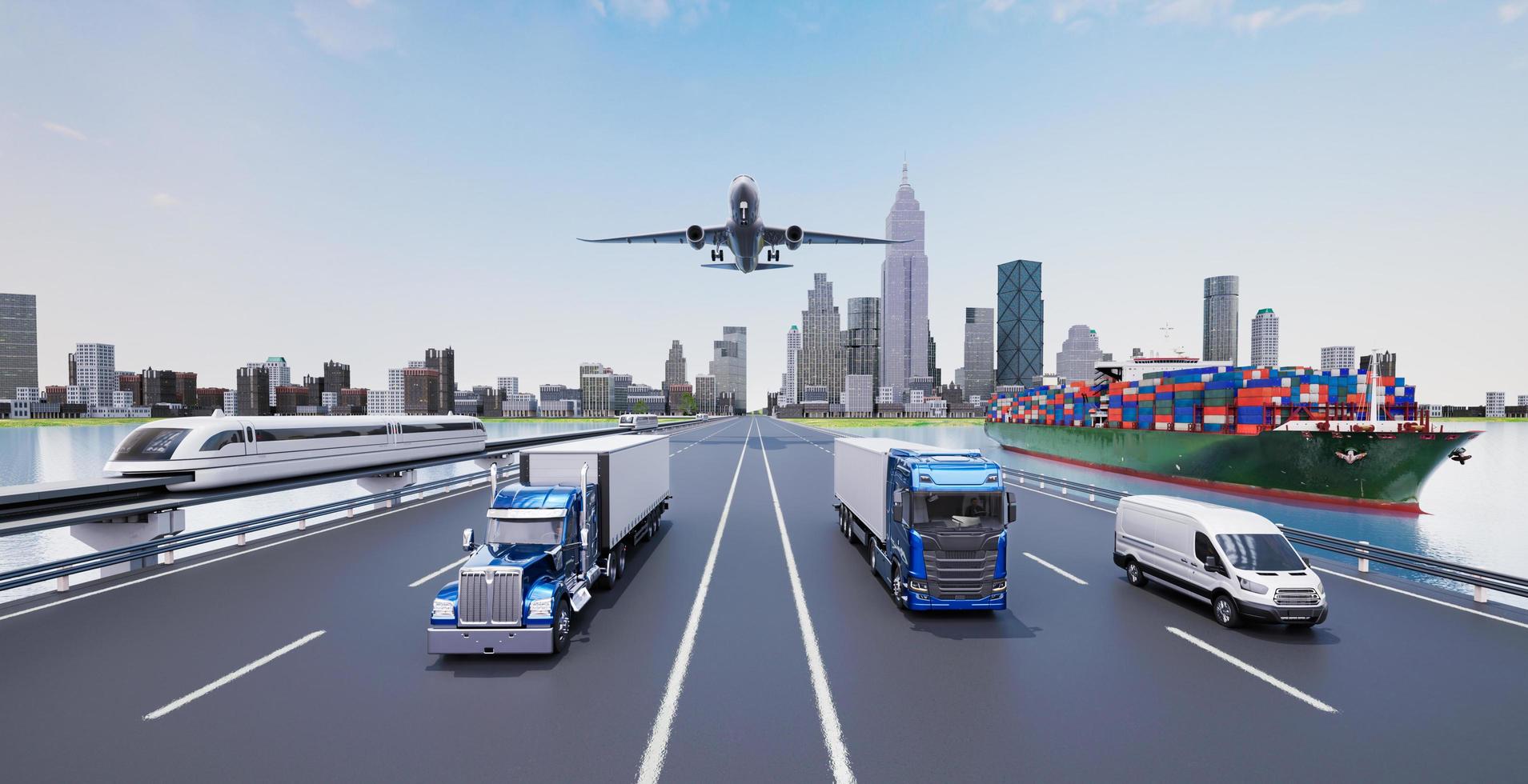
Transportation is a crucial component of supply chain management, impacting not only the bottom line but also environmental sustainability. As businesses strive to reduce operational costs and minimize their carbon footprint, effective transportation cost reduction strategies have become imperative. In this blog post, we'll explore various tactics and techniques to cut down transportation costs, including route optimization, carrier negotiations, and technology integration.
What Is Route Optimization and How Does It Cut Transportation Costs?
Route optimization is a fundamental strategy for reducing transportation costs. By finding the most efficient routes, you can minimize mileage, fuel consumption, and delivery times. Here's how you can make the most of route optimization:
- Use Route Planning Software: Invest in route planning software that considers real-time traffic data, weather conditions, and delivery windows. This technology enables you to create the most efficient routes, saving you precious time and fuel.
- Implement Dynamic Routing: Adapt to changing conditions by implementing dynamic routing. This approach allows you to adjust routes in real-time, considering unexpected events like traffic jams or road closures.
- Consolidate Shipments: Combine multiple shipments whenever possible. Consolidation reduces the number of trips and minimizes transportation costs.
How Do Carrier Negotiations Lead to Lower Transportation Costs?
Effective carrier negotiations can lead to substantial cost reductions. Here are some strategies to optimize carrier partnerships:
- Volume Commitments: Offer volume commitments to carriers in exchange for lower rates. Committing to a specific volume of shipments allows you to negotiate better prices.
- Long-Term Agreements: Consider entering into long-term agreements with carriers. This can lead to significant cost savings and more favorable terms.
- Benchmarking and Competitive Bidding: Continuously benchmark your carrier costs against industry standards. Engage in competitive bidding to ensure that you're getting the best possible rates.
What Is Load Optimization and How Does It Reduce Transportation Costs?
Efficient load management is crucial in reducing transportation costs. By optimizing load factors, you can make the most of each shipment:
- Weight Distribution: Ensure that cargo is distributed evenly to avoid overloading one section of the vehicle, which can lead to increased fuel consumption.
- Cube Utilization: Maximize the use of the available space in your transport vehicles. Use cube optimization strategies to reduce the number of trips needed.
How Does Technology Integration Help Reduce Transportation Costs?
Leveraging technology can significantly impact transportation cost reduction and this is where Techdinamics can assist:
- techSHIP: techship allows you to easily get more volume out the door correctly – without additional labor – and make money on your shipping, too.
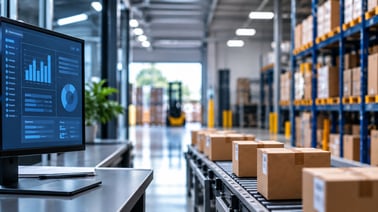
- techTRACK: techTRACK provides you with full visibility of shipment status for your warehouse and customers. Plus, real time and historical shipping analytics to use to your advantage.
- techAUDIT: techAUDIT captures the information recorded at the time of shipping and compares this data against your carrier invoices so you can easily spot discrepancies between what the carriers recorded initially and what they ultimately billed.
━━━━━━━━
Frequently Asked Questions
What are the most effective strategies for reducing transportation costs?
The most effective transportation cost reduction strategies typically fall into four categories: route optimization, carrier negotiations, load optimization, and technology integration. Route optimization reduces mileage and fuel consumption by identifying the most efficient delivery paths. Carrier negotiations, including volume commitments and long-term agreements, lower rates through stronger partnerships. Load optimization ensures vehicles are used to their full capacity, cutting the number of trips needed. Technology tools like techSHIP from Techdinamics help automate and monitor these decisions, reducing both errors and unnecessary spend.
How does route optimization reduce transportation and fuel costs?
Route optimization uses route planning software to identify the most efficient paths for each delivery, taking into account real-time traffic, weather conditions, and delivery windows. By minimizing unnecessary mileage and idle time, businesses reduce fuel consumption and improve delivery reliability. Dynamic routing takes this a step further, allowing routes to be adjusted in real time when unexpected events like road closures or traffic delays occur. Consolidating multiple shipments into a single route also reduces the total number of trips, compounding the cost savings.
What is carrier negotiation and how can it lower shipping costs?
Carrier negotiation is the process of working with shipping partners to secure more favorable rates and terms. Businesses can improve their negotiating position by offering volume commitments, which give carriers predictable demand in exchange for lower prices. Entering into long-term agreements provides stability for both parties and often results in better contract terms. Regularly benchmarking carrier costs against industry standards and engaging in competitive bidding ensures rates stay competitive over time. The goal is to build partnerships that benefit both sides while keeping transportation spend under control.
What is load optimization and why does it matter for cost reduction?
Technology plays a central role in modern transportation cost reduction. Techdinamics offers a suite of tools designed specifically for this purpose. techSHIP helps businesses process higher shipping volumes without adding labor, while also identifying opportunities to make money on shipping. techTRACK provides full visibility into shipment status for both warehouse teams and customers, along with real-time and historical analytics that support better decision-making. techAUDIT automatically compares shipping data recorded at the time of dispatch against carrier invoices, flagging discrepancies before they result in overbilling. Together, these tools reduce manual effort, improve accuracy, and keep transportation costs in check.
How does reducing transportation costs support environmental sustainability?
Transportation cost reduction and environmental sustainability are closely linked. Strategies like route optimization and load maximization directly reduce fuel consumption and the number of vehicles on the road, lowering carbon emissions. Fewer trips mean a smaller carbon footprint per delivery. Long-term carrier partnerships can also encourage investment in more fuel-efficient fleets. By integrating technology to monitor and improve shipping efficiency, businesses not only reduce operational costs but also make measurable progress toward a more eco-friendly supply chain.
━━━━━━━━
A Sustainable, Cost-Effective Supply Chain Starts With the Right Strategy
Reducing transportation costs is not only a financial concern but also a step towards a more sustainable and environmentally friendly supply chain. By implementing the strategies mentioned above – route optimization, carrier negotiations, load optimization, and technology integration – businesses can minimize expenses and contribute to a more efficient and eco-friendly transportation system. These strategies not only save money but also improve customer service and reduce your organization's carbon footprint. Embracing these cost-saving tactics is a win-win for your business and the environment.
Want to learn more about carrier negotiations and getting better rates? Contact us today and we’ll be happy to help!