The shipping world changed forever on August 29, 2025. With the permanent elimination of the de minimis exemption (aka Section 321 shipments), millions of daily packages valued under $800 that once entered the U.S. duty-free suddenly faced new tariffs, customs delays, and significant compliance complexity.
For businesses that built their fulfillment strategy relying on this low-value exemption, the challenge is clear: adapt or face delays, increased costs, and operational headaches.
The Crisis Reshaping Cross-Border Commerce
The numbers tell the story: 88 postal operators have suspended services to the United States, and parcel traffic has dropped 81% since the de minimis elimination [1], significantly disrupting supply chains and increasing operational costs for many companies.
Beyond the obvious tariff increases, the real killer is operational complexity. Every package entering the U.S. now requires:
- Full customs clearance regardless of value
- Complex documentation for previously simple shipments
- Manual intervention at multiple checkpoints
What used to be a fast, low-cost B2C shipment is now a slow, expensive, paperwork-heavy process.
The Primary Workaround: Bulk B2B Imports
The most common solution emerging is consolidating individual parcels into business-to-business (B2B) shipments. Instead of sending thousands of small packages separately, shippers are bundling them into bulk commercial shipments that qualify for streamlined customs processing.
This approach offers major advantages:
- Lower per-unit landed costs
- Faster and more predictable clearance
- Fewer compliance risks when done properly
It also aligns with a larger trend: positioning inventory closer to the customer by importing in bulk and fulfilling locally.
However, there’s a catch. Shipments must genuinely qualify as B2B under customs law. Mislabeling consumer shipments as commercial can trigger fines, penalties, and further delays. That’s where automation and proper documentation become critical.
How techSHIP Simplifies the Process
techSHIP takes the complexity out of this process by automating the transition from bulk B2B imports to individual B2C deliveries, all without relabeling or rebooking manually.
Let’s break down how it works:
Automating Shipments from Overseas
Step 1: Packing Slip and Barcode Generation
Overseas shippers generate packing slips with unique barcodes to digitally track each order throughout its journey.
Step 2: Bulk B2B Clearance
Packages are consolidated and shipped as a single B2B load. This unlocks faster customs processing and helps reduce duties.
Step 3: Final Mile Automation
Once the bulk shipment clears customs and arrives at the local distribution center, the barcodes are scanned and techSHIP automatically generates individual B2C labels for final delivery.
Automating Shipments Within North America
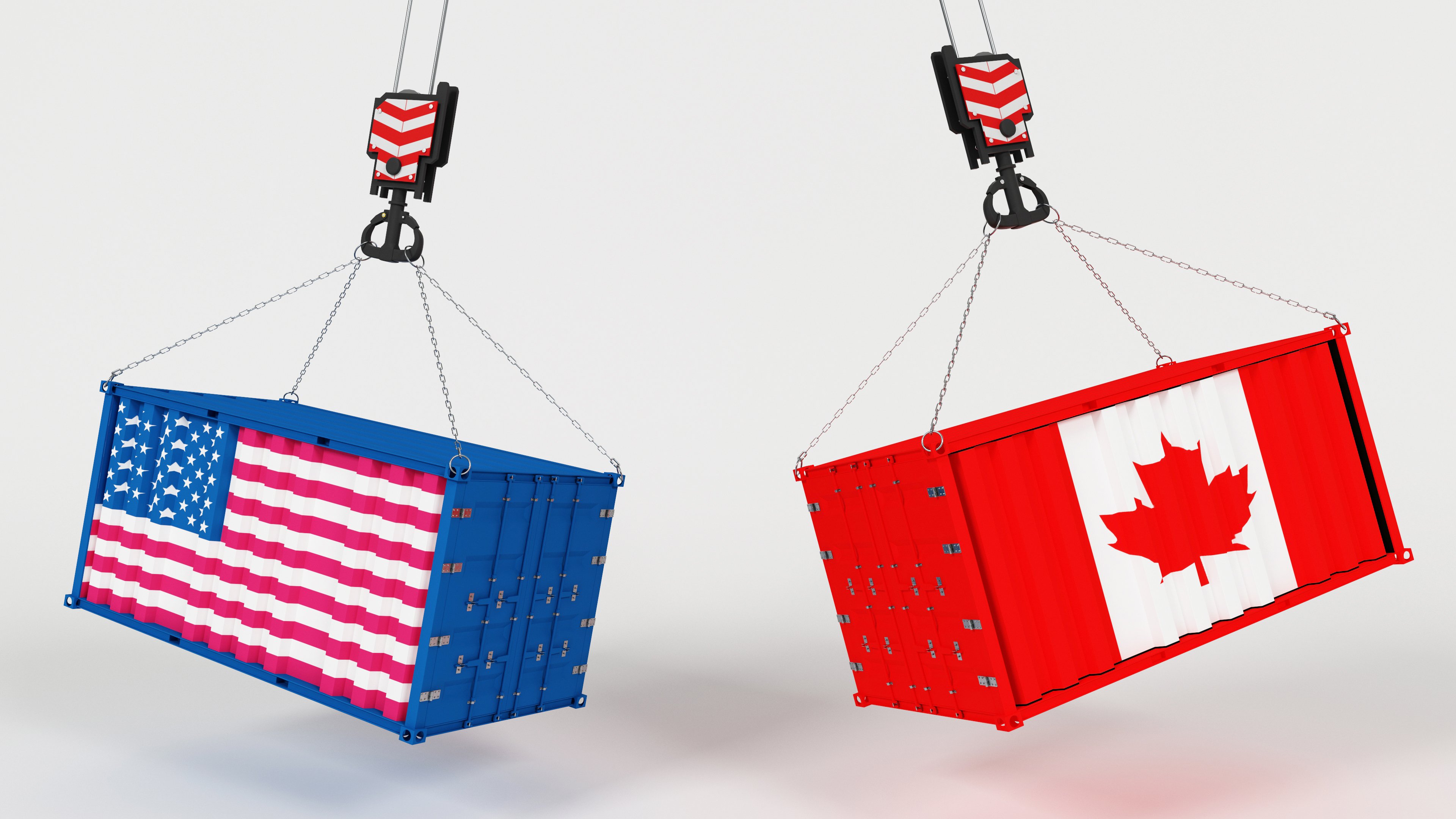
techSHIP also supports automated workflows for cross-border fulfillment in North America, particularly between Canada and the U.S., which have their own customs and trade compliance regimes distinct from overseas importation.
It handles:
- Managing induction points for shipments entering the U.S. market from Canada
- Automation of customs labeling and clearance tailored to these internal cross-border movements
- CUSMA (Canada-United States-Mexico Agreement) compliance, with automatic certificates of origin attached to shipments to access preferential tariffs and reduce duties
techSHIP handles both workflows: overseas import consolidation and intra-North America cross-border fulfillment, covering the two most common scenarios shippers are navigating after the Section 321 elimination. By bridging these two workflows, we provide a full-spectrum solution that addresses both overseas import disruptions and intra-North America supply chain complexities.
━━━━━━━━
Frequently Asked Questions
What happened to Section 321 de minimis exemptions?
The de minimis exemption under Section 321, which allowed shipments valued at $800 USD or less to enter the United States duty-free, was permanently eliminated on August 29, 2025. Since then, all packages entering the U.S. require full customs clearance regardless of value.
How has the Section 321 elimination affected international shipping?
The impact has been significant. According to the Universal Postal Union, 88 postal operators have suspended services to the United States, and parcel traffic has dropped 81% since the de minimis elimination. Shippers that relied on low-value exemptions now face new tariffs, additional documentation requirements, and manual customs intervention on every shipment.
What is the main workaround shippers are using after Section 321 was eliminated?
The most common approach is consolidating individual consumer orders into bulk business-to-business (B2B) shipments. By bundling packages into a single commercial load, shippers can access faster and more predictable customs clearance and lower per-unit landed costs. The goods are then distributed individually at a local fulfillment center after clearing customs.
What is the risk of using bulk B2B imports as a workaround?
Shipments must genuinely qualify as B2B under customs law. Mislabeling consumer shipments as commercial can trigger fines, penalties, and further delays. Proper documentation and automation are critical to ensure compliance.
How does techSHIP automate the transition from bulk B2B imports to individual deliveries?
techSHIP automates the full workflow. Overseas shippers generate packing slips with unique barcodes. Packages are consolidated and shipped as a single B2B load for customs clearance. Once the shipment arrives at the local distribution center, barcodes are scanned and techSHIP automatically generates individual B2C labels for final delivery, without manual relabeling or rebooking.
Does techSHIP support cross-border shipping within North America?
Yes. techSHIP also handles intra-North America cross-border fulfillment, particularly between Canada and the U.S. It manages induction points, automates customs labeling and clearance, and supports CUSMA compliance by automatically attaching certificates of origin to shipments to access preferential tariffs and reduce duties.
━━━━━━━━
Want to explore how Techdinamics’ solutions and network of partner warehouses in the U.S. can help you navigate the new customs landscape? Contact us.
[1] United Postal Union - “FAQ: Impact of recent US customs regulation changes on international postal services”